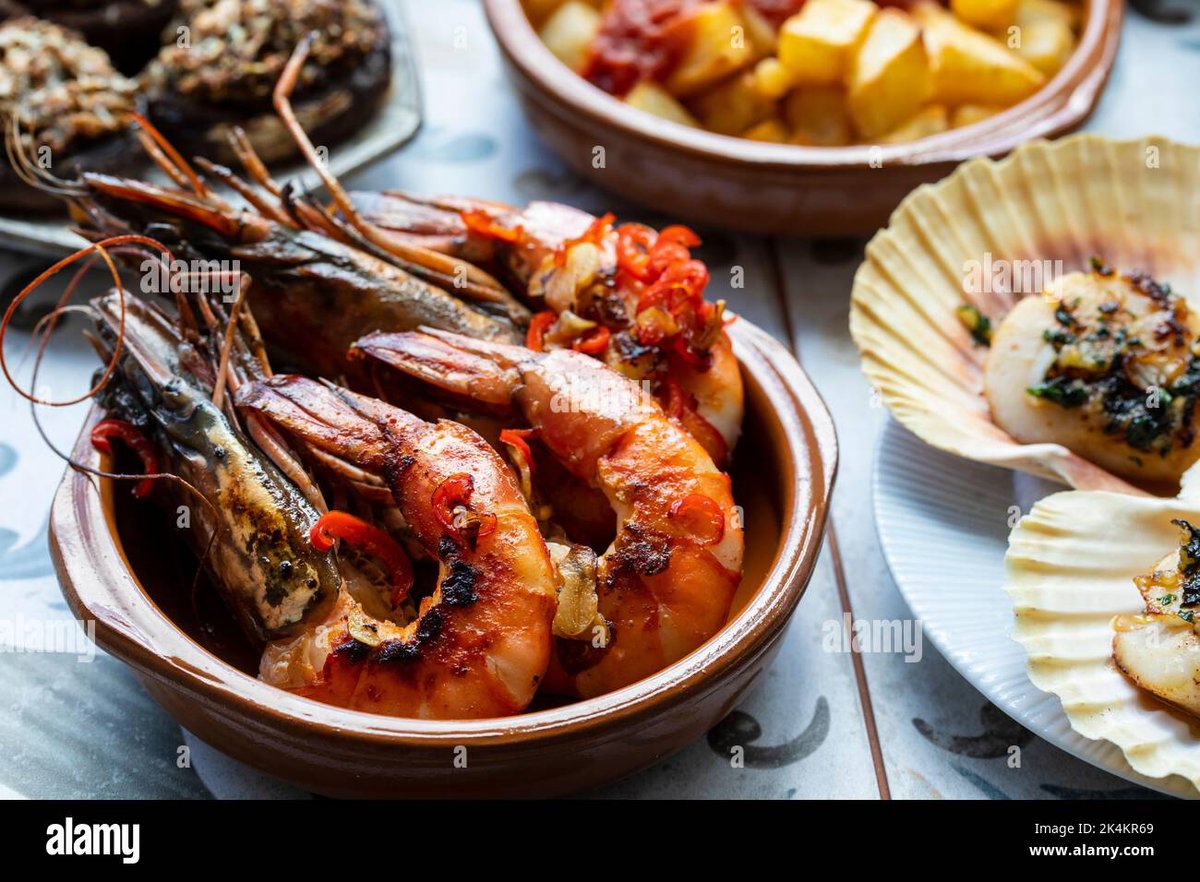
In the sun-drenched squares of Spain, life unfolds not in formal dining rooms, but around bustling bar counters, where small plates of vibrant flavors ignite conversation and camaraderie. This is the world of Authentic Spanish Tapas & Traditional Cuisine, a culinary tradition that’s less about a meal and more about a way of life. Imagine clinking glasses, the buzz of friendly chatter, and a table laden with an irresistible array of dishes, each a bite-sized masterpiece telling a story of regional pride and fresh ingredients.
For the home cook, recreating this magic might seem daunting, but it’s wonderfully accessible. Spanish tapas are inherently communal, forgiving, and designed to celebrate simple, quality ingredients. This guide will take you by the hand, demystifying the art of authentic Spanish small plates and traditional dishes, helping you bring the spirit of España right into your own kitchen. Get ready to swap your dinner routine for an adventure in flavor and shared joy.
At a Glance: Your Tapas Toolkit
- Tapas are Small Plates, Big Flavors: They originated as complimentary bites with drinks.
- Quality Olive Oil is Non-Negotiable: Invest in good cooking and finishing oils.
- Temperature Matters: Serve Jamón, Manchego, and Tortilla Española at room temperature.
- Plan Ahead with Cold Dishes: Many tapas can be prepped a day in advance.
- Serve Fried Items Immediately: Crispiness is key for dishes like Pimientos de Padron and fried calamari.
- Embrace the Sharing Spirit: Tapas are about variety and communal enjoyment.
- Don't Forget the Drinks: Wine, sherry, and beer are essential companions.
The Heartbeat of Spain: What Exactly Are Tapas?
Before we dive into recipes, let’s truly understand tapas. The word "tapa" literally means "lid" or "cover," and its origin story is steeped in charming Spanish lore. One popular tale recounts that in 13th-century Andalusia, King Alfonso X of Castile decreed that no wine should be served without a small bite of food to cover the glass, preventing flies and mitigating the effects of alcohol. These early "tapas" were often just a slice of cured ham or cheese.
Over centuries, this practical custom evolved into an elaborate culinary art form. In Seville, where the tradition is said to have truly blossomed, these complimentary bites became a delightful bonus with each beverage. Today, while tapas are generally purchased separately in most parts of Spain, the city of Granada remains a charming exception, often providing a free tapa with every drink order.
In the northern reaches of Spain, particularly the fiercely proud Basque Country, you’ll encounter "pintxos" (pronounced peen-chos). These are often small, artfully skewered bites, typically served on a piece of bread, designed for easy grazing at a bar. While sharing the communal spirit of tapas, pintxos often lean into more intricate, gourmet combinations, showcasing the Basque region's innovative culinary scene.
The beauty of tapas isn't just in the food itself, but in the entire experience: the relaxed atmosphere, the freedom to try many different dishes, the spontaneous conversations, and the continuous flow of food and drink. It’s a philosophy of eating that encourages lingering, sharing, and savoring life, one small plate at a time.
Your Essential Tapas Menu: From Classic Bites to Hearty Plates
Building a tapas spread at home is all about variety and balance. Think of combining different textures, temperatures, and flavors. Here's a look at the core dishes that form the backbone of any authentic Spanish feast, whether you’re seeking to recreate the atmosphere of the best traditional restaurants in Madrid or simply looking for inspiration.
The Unmissable Classics: Simple Pleasures, Deep Flavors
- Jamón Ibérico & Manchego: This duo is the undisputed king of Spanish tapas. Jamón Ibérico is a rich, intensely flavored cured ham from Spain and Portugal, often served thinly sliced, allowing its complex, nutty notes to shine. Pair it with wedges of Manchego cheese, a firm, flavorful sheep's milk cheese from the La Mancha region. Serve both at room temperature to allow their full aromas and textures to develop. Often enjoyed on a slice of toasted baguette.
- Olives: Legendary in Spain, olives are more than just a garnish; they're a cornerstone. From vibrant green Manzanillas to dusky black Empeltres, they're served marinated with herbs, garlic, and citrus, or stuffed (e.g., with feta, onion, garlic, or a Marcona almond).
- Toasted Bread Dish (Pan con Tomate/Ajo): Simple yet profound, this often features toasted baguette slices rubbed with fresh garlic, topped with ripe grated tomatoes, a drizzle of extra virgin olive oil, and a sprinkle of salt. Sometimes just a simple garlic rub and olive oil suffices.
- Tortilla Española: A signature potato-filled omelet, sometimes featuring onions or ham, traditionally served at room temperature. Its humble ingredients belie its satisfying, comforting depth. It’s thick, golden, and perfect for slicing into wedges.
- Patatas Bravas: "Brave potatoes" are fried potato cubes, typically served with a spicy tomato sauce (salsa brava) or a creamy garlic aioli. Some regions prefer one sauce over the other, or even a combination. It’s a quintessential hot tapa.
Hot & Hearty: Warming the Soul
- Spanish Shrimp (Gambas al Ajillo): Sizzling shrimp infused with copious amounts of garlic, good olive oil, and a hint of dried chile peppers (guindillas). Served bubbling hot, it’s a dish that demands bread for dipping into the flavorful oil.
- Croquetas de Jamon: These creamy, béchamel-based Spanish ham croquettes are fried to a golden crisp. Every bite is a delightful contrast of crunchy exterior and luscious, savory interior.
- Chickpeas and Chorizo: A rustic, warm dish that combines seasoned chickpeas with spicy or sweet chorizo sausage, often simmered with a hint of tomato and sometimes potatoes. It’s hearty and wonderfully flavorful.
- Espinacas con Garbanzos (Spinach and Chickpeas): An Andalusian classic, this dish blends tender spinach and chickpeas with aromatic spices, garlic, and a touch of vinegar, creating a uniquely comforting and savory vegetable tapa.
- Spanish Meatballs (Albondigas): A popular hot tapa, these small, flavorful meatballs are typically simmered in a rich tomato sauce, often infused with herbs and sometimes a splash of wine.
- Berenjenas Con Miel (Spanish Fried Eggplant With Honey): Originating in Andalusia, this delightful dish features fried, battered eggplant drizzled with sweet, often cane, honey. It’s a perfect balance of savory and sweet.
- Pimientos de Padron: Mild peppers that are roasted or blistered in olive oil and sprinkled with sea salt. The fun part? While most are mild, a few "lucky" ones can be surprisingly spicy, making it a culinary game of chance. Serve these immediately.
Unique Bites & Regional Gems
- Gilda Skewers (Pintxos): Named after the Rita Hayworth film "Gilda" for its "salty, spicy, and green" character, these bite-sized combinations typically feature salty anchovies, spicy piparra peppers (or pepperoncini), and briny olives (ideally anchovy-stuffed Manzanilla olives) skewered together. They’re a perfect example of a Basque pintxo.
- Ajo Blanco: A chilled, creamy garlic and Marcona almond soup, often served with a drizzle of extra-virgin olive oil and garnished with grapes or melon. It's refreshing and surprisingly satisfying on a warm day.
- Valencian Empanada: Small pockets of dough, typically baked or fried, filled with a savory mixture that often includes ham, onion, tomatoes, parsley, and hard-boiled eggs. A delicious, portable bite.
- Artichokes with Figs, Saffron, and Marcona Almonds: A more refined tapa featuring sautéed artichoke hearts, garnished with thinly sliced olives, fragrant saffron strands, and crunchy Marcona almonds.
- Simmered Tomato-based Mélange: A versatile hot or cold dip, this rich tomato concassé is often flavored with nutmeg and cinnamon, offering an unexpected depth that's perfect for crusty bread or alongside other dishes.
- Piquillo Peppers (Spanish Tuna Stuffed Peppers): Sweet, roasted red piquillo peppers delicately stuffed with a savory mixture of tuna, often blended with mayonnaise or a creamy sauce. A beautiful and flavorful cold tapa.
- Fried Calamari: A universally loved fried tapa, rings of tender squid are lightly battered and quickly fried to a golden crisp, often served with a squeeze of fresh lemon.
On the Side & For Sharing (Beyond Tapas)
While not strictly a "tapa" in the traditional sense, these dishes can certainly grace a Spanish-themed table.
- Ensaladilla Rusa (Spanish Potato Salad): This beloved cold dish, a staple in many tapas bars, features boiled potato, carrots, canned tuna, boiled eggs, peas, and a generous creamy mayonnaise dressing.
- Zanahorías Aliñadas (Marinated Spanish Carrots): A wonderfully refreshing and tangy marinated carrot dish, often infused with garlic, cumin, and sherry vinegar.
- Seafood Paella: Though typically a main course, a small portion of paella might appear at a large tapas gathering. This iconic, colorful rice dish from Valencia is infused with saffron and typically loaded with clams, mussels, shrimp, and sometimes chorizo. If you're looking for an authentic experience, discovering Madrid's best authentic paella is an adventure in itself, but a simple seafood paella can be a stunning center-piece for your home tapas night.
Sweet Endings: Post-Tapas Delights
Even after a parade of savory tapas, there's always room for a little something sweet.
- Mini Burnt Cheesecake (San Sebastian Cheesecake): A bite-sized version of the Basque cheesecake, famous for its deeply caramelized, almost burnt exterior and incredibly creamy, custardy interior. It’s deceptively simple and utterly addictive.
- Arroz Con Leche (Spanish Rice Pudding): A comforting, creamy rice pudding, usually scented with cinnamon and lemon zest. It can be served cold, warm, or at room temperature, making it a versatile dessert.
Mastering the Art of Tapas at Home: A Home Cook's Guide
Creating an authentic tapas experience at home isn't just about the recipes; it's about strategy and embracing the Spanish approach to food. Think like a seasoned chef planning a menu for the best local Madrid tapas bars, balancing textures, temperatures, and preparation times.
Ingredient Essentials: Quality Over Quantity
The Spanish kitchen thrives on high-quality, often simple, ingredients.
- Olive Oil is Liquid Gold: You simply must use good quality olive oil. Keep two types: a robust, everyday oil for cooking and a premium, extra-virgin oil for finishing, dressing, and drizzling over dishes like Ajo Blanco or Pan con Tomate. The flavor difference is monumental.
- Invest in Key Staples: Splurge a little on authentic Jamón Ibérico (if possible), good Manchego cheese, and quality jarred ingredients like Marcona almonds, piquillo peppers, and Spanish olives. Fresh, seasonal produce is always paramount.
- Garlic, Always Garlic: Minced or pressed garlic is key for most recipes. However, for dishes like Gambas al Ajillo, larger, thinly sliced garlic chunks are preferred, infusing the oil more deeply without burning.
The Power of Temperature: Serve It Right
Temperature dramatically impacts flavor and texture in Spanish cuisine.
- Room Temperature Reigns: Remember to serve Jamón Ibérico and Manchego cheese at room temperature. This allows their complex aromas and flavors to fully unfurl. Similarly, Spanish Tortilla is traditionally served at room temperature, often cut into small squares or wedges.
- Sizzling Hot is Best: Dishes like Gambas al Ajillo, Patatas Bravas, and Pimientos de Padron demand to be served immediately, straight from the pan, to ensure they are at their peak temperature and texture.
Smart Planning: Make-Ahead Magic
One of the secrets to a stress-free tapas party is smart preparation. Many dishes actually taste better the next day!
- The Day Before: Cold tapas are your best friend here. Ensaladilla Rusa, Espinacas con Garbanzos, piquillo pepper dip (if you’re making one), and Zanahorías Aliñadas (marinated carrots) can all be prepared a day in advance, allowing flavors to meld beautifully.
- Reheat-Friendly: Dishes like mushroom and chorizo tapas, or hearty slow-cooked meat tapas (such as oxtail or pig's cheek if you're feeling ambitious), often develop deeper flavors overnight and can be gently reheated just before serving.
- Partially Prepared: You can chop vegetables, make sauces, or even form croquetas ahead of time, storing them appropriately until you're ready for the final cooking step.
Serve It Fresh: Timing is Everything
Some dishes simply don't wait. Plan to cook these while your guests are already enjoying the make-ahead items.
- Crispy & Hot: Fried items, like Fried Calamari, Pimientos de Padron, and anything with a delicate crisp (such as the Berenjenas Con Miel), should be served immediately after cooking to ensure maximum crunch and flavor.
- Delicate Fillings: Dishes like Spanish Tuna Stuffed Piquillo Peppers are best assembled and served fresh, though the filling can often be made ahead.
The Finishing Touches: A Chef’s Secret
Small details make a big difference.
- Brighten with Lemon: A squeeze of fresh lemon juice right before serving can awaken the flavors of seafood tapas (like Gambas al Ajillo) and even some vegetable dishes.
- Season Generously: Don't forget a final sprinkle of good quality sea salt and freshly ground pepper. Taste everything before serving!
- Herb Power: Fresh parsley, cilantro, or chives can add a vibrant pop of color and freshness.
Strategic Menu Building for Your Tapas Party
Think of your tapas menu as a journey.
- Start with the Staples (Cold & Simple): Begin with olives, Jamón, Manchego, Pan con Tomate, and your make-ahead cold dishes like Ensaladilla Rusa or marinated carrots. These are easy appetizers that allow guests to graze while you finish cooking.
- Introduce Hot & Hearty: Move onto your hot tapas like Patatas Bravas, Croquetas, Gambas al Ajillo, and Espinacas con Garbanzos. These provide more substantial bites.
- Include a "Main" Element: If you want something more filling, a larger dish like a modest seafood paella or a slow-cooked meat tapa (like chickpeas and chorizo) can be served, though true tapas are designed to be grazing food.
- Finish Sweet: Offer small desserts like Mini Burnt Cheesecakes or Arroz Con Leche to complete the experience.
- Balance & Variety: Ensure you have a mix of textures (creamy, crunchy), temperatures (cold, warm, hot), and flavors (savory, spicy, tangy, sweet). Don’t overload your menu; 4-6 different tapas are a great start for a home party.
Essential Kitchen Tools for Your Tapas Journey
You don’t need a specialized Spanish kitchen, but a few key tools will make your tapas cooking smoother and more enjoyable.
- Cast Iron Skillet: An absolute workhorse. It distributes heat evenly, perfect for searing Pimientos de Padron, crisping Patatas Bravas, or sizzling Gambas al Ajillo.
- Garlic Mincer or Press: Given the prevalence of garlic in Spanish cuisine, a good mincer or press will save you time and effort, ensuring finely crushed garlic for sauces and infusing oils.
- Large Dutch Oven: Ideal for slow-cooking meat tapas that benefit from long, gentle simmering, like oxtail or pig’s cheek (if you venture into more advanced dishes). It also works well for preparing larger batches of Espinacas con Garbanzos or a hearty Chickpeas and Chorizo.
- Sharp Chef's Knife: Essential for precise slicing of Jamón and preparing vegetables.
- Small Skewers: For assembling pintxos like the iconic Gilda Skewers.
Beyond the Plate: Embracing the Spanish Culinary Experience
Tapas are more than just food; they're a social institution, a way of dining that encourages conversation, lingering, and sharing. When you host a tapas night, lean into that communal spirit.
- Pair with the Right Sips: A crisp Spanish white wine (like an Albariño or Verdejo), a dry Fino or Manzanilla sherry, or a light Spanish beer (like Estrella Damm or San Miguel) are perfect companions.
- Create the Ambiance: Put on some Spanish guitar music, dim the lights, and encourage a relaxed, informal atmosphere. Don’t worry about perfect plating; focus on abundance and conviviality.
- It's About the Company: Remember, tapas are designed to be shared. They foster connection and joy around the table.
If you ever find yourself wandering the bustling streets of Spain, ready to dive headfirst into the local culinary scene, you’ll discover firsthand why this tradition endures. Whether it's seeking out Madrid’s best authentic paella or exploring the best local Madrid tapas bars with friends, the spirit of shared food and vibrant life is palpable.
Your Next Culinary Adventure Starts Here: Crafting Your Own Spanish Feast
Embarking on a journey into Authentic Spanish Tapas & Traditional Cuisine is a rewarding experience for any home cook. It’s a chance to explore new flavors, master simple yet impactful techniques, and most importantly, create memorable moments around the table.
Start with a few favorite dishes that excite you. Perhaps it's the rustic charm of Patatas Bravas, the savory comfort of Tortilla Española, or the bright simplicity of Pan con Tomate. Armed with quality ingredients, a few essential tools, and an understanding of the Spanish approach to sharing food, you’re well on your way to hosting a vibrant, delicious, and truly authentic tapas night. So gather your loved ones, open a bottle of Spanish wine, and let the small plates and big flavors transport you to the heart of Spain. ¡Buen provecho!