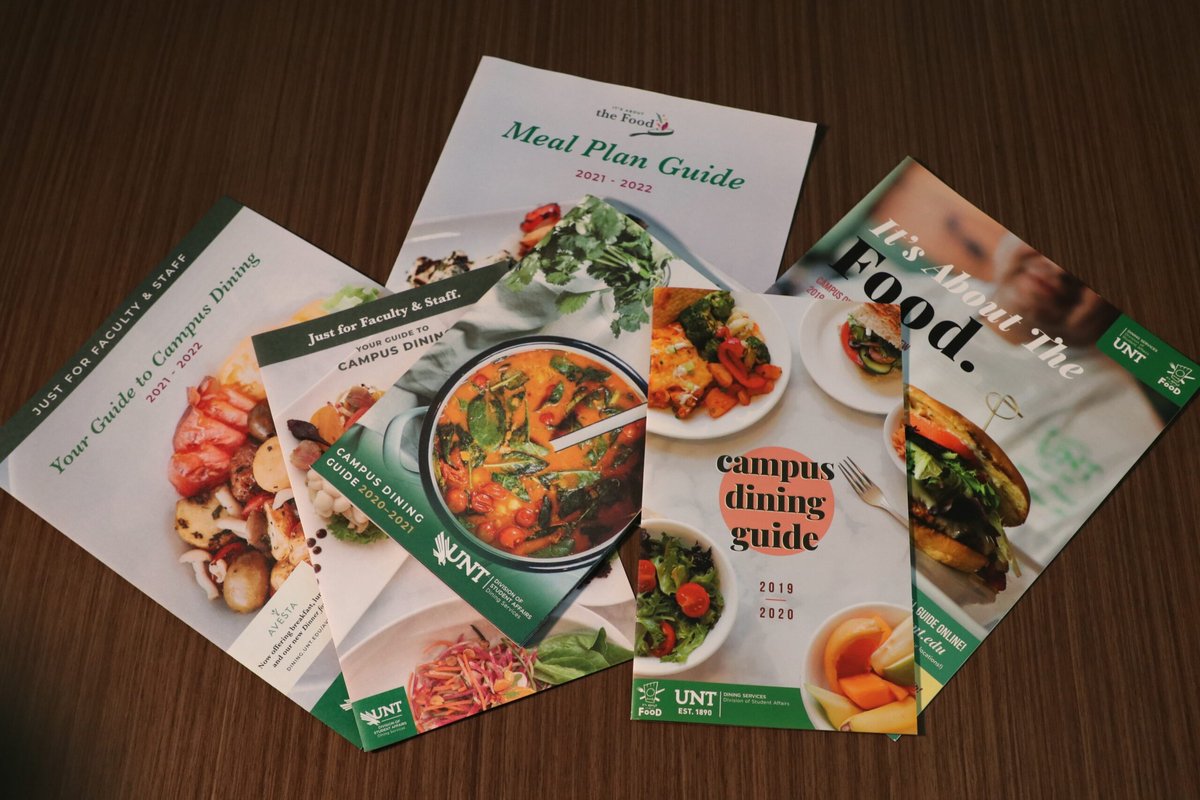
Forget endless scrolling through generic "best of" lists that leave you more overwhelmed than hungry. Truly unlocking a city's culinary soul hinges on discovering its hyper-local flavors, and that’s precisely where Neighborhood-Specific Dining Guides shine. These aren't just restaurant lists; they're curated maps to the gastronomic heart of a community, revealing everything from the hidden gem hole-in-the-wall to the celebrated local institution, all within a few blocks. They turn a city from a sprawling maze into a series of intimate villages, each with its own delicious story waiting to be told.
At a Glance: What You'll Discover About Neighborhood Dining Guides
- Beyond the Hype: Why hyper-local guides offer richer, more authentic dining experiences than city-wide lists.
- Deciphering a Great Guide: Key elements to look for, from local insights to diverse culinary recommendations.
- Strategic Eating: How to leverage these guides to match your mood, budget, and desired culinary adventure.
- The Unsung Heroes: Understanding who crafts these valuable resources and the legwork involved.
- Finding Your Next Bite: Top sources for trustworthy, up-to-date neighborhood dining recommendations.
- Avoiding Common Traps: Pitfalls to steer clear of for a truly satisfying local meal.
- Your Personal Culinary Map: Tips for discovering and documenting your own neighborhood favorites.
Why Hyper-Local Beats City-Wide Every Time
Imagine arriving in a vibrant metropolis. You want to eat well, but "Best Restaurants in [City Name]" often yields a dizzying array of high-end establishments, tourist traps, or places scattered hours apart by public transport. While these lists have their place, they rarely capture the essence of daily eating or the true local favorites that define a specific area. That's a job for the Neighborhood-Specific Dining Guide.
These specialized guides strip away the noise, focusing intently on a defined geographical pocket. Think of the unique character of Las Vegas’s Chinatown, as highlighted by publications like Eater, where you can pinpoint exactly where to find exquisite Vietnamese pho, sizzling Korean barbecue, or innovative fusion burgers, all within a walkable distance. It's about depth, not just breadth. You're not just finding a restaurant; you're discovering a place that contributes to the neighborhood's identity.
The Anatomy of an Exceptional Neighborhood Dining Guide
Not all guides are created equal. A truly valuable neighborhood dining guide goes beyond mere listings, offering a nuanced perspective that only true local expertise can provide. It's a blend of meticulous research, culinary passion, and a deep understanding of the area's rhythm.
More Than Just Restaurants: A Holistic View
The best guides don't stop at dinner spots. They encompass the full gastronomic spectrum of a neighborhood:
- Breakfast & Brunch: The perfect coffee shops, bakeries, or brunch spots to kickstart your day.
- Lunch: Quick, delicious, and often budget-friendly options for a midday refuel.
- Dinner: The main event, covering everything from casual comfort food to fine dining.
- Snacks & Treats: Gelaterias, patisseries, street food vendors, and late-night bites.
- Bars & Cafes: Places for a pre-dinner aperitif, a post-meal digestif, or just a great cup of local brew.
- Specialty Shops: Artisanal delis, cheese shops, spice markets, or ethnic grocery stores that contribute to the local food scene.
Key Ingredients of Trustworthy Guides
When you pick up or click on a guide, here’s what to look for to ensure it’s a reliable source:
- Local Expertise: Is the author or publication genuinely familiar with the area? Do they convey a sense of its history, demographics, and unique culture? This isn't just about food; it's about context.
- Diverse Recommendations: A great guide won't just list the trendiest spots. It’ll include a range of price points, culinary styles, and dining experiences, catering to different moods and budgets. You should see a mix of established favorites and exciting newcomers.
- Updated Information: The food world moves fast. Look for guides that are regularly updated or clearly indicate when they were last reviewed. Hours, menus, and even entire establishments can change quickly.
- Vivid Descriptions: Do the descriptions make your mouth water? Do they provide enough detail to help you decide, beyond just the cuisine type? Specific dish recommendations, ambiance notes, and service insights are invaluable.
- Practical Details: Essential information like address, opening hours, reservation policies, and even proximity to public transport should be easy to find.
Making the Most of Your Neighborhood Dining Guide
Having a fantastic guide in hand is only the first step. To truly savor the experience, you need to know how to use it strategically. Think of yourself as a culinary detective, matching clues in the guide to your desires.
Aligning With Your Vibe and Venture
Before you even glance at specific recommendations, consider what kind of experience you’re seeking:
- Mood: Are you looking for a lively, bustling atmosphere, or a quiet, intimate setting? A casual grab-and-go or a sit-down celebratory meal?
- Company: Dining solo, with a date, family with kids, or a large group? Some places are better suited for specific companions.
- Cuisine Craving: Have you been dreaming of authentic tacos, comforting pasta, spicy curries, or something entirely new?
- Budget: Be realistic about what you want to spend. A good guide will often give you a sense of the price range.
- Time of Day: As mentioned, different spots excel at different times. Don't go to the best brunch spot at 8 PM expecting a full dinner menu.
For instance, if you're exploring Madrid and want a taste of traditional Spanish charm alongside vibrant tapas, you might consult a guide detailing Where to Eat in La Latina. It would likely highlight classic taverns and lively squares perfect for an evening stroll and endless small plates.
Reading Between the Lines
Journalists and food writers often use subtle cues to convey more than just surface-level information:
- "Bustling," "lively," "energetic": Often means a popular spot, possibly loud, maybe a wait.
- "Intimate," "cozy," "hidden": Suggests a smaller, quieter place, potentially good for dates or conversations.
- "No reservations," "walk-ins only": Prepare for a wait, especially during peak hours.
- "Seasonal menu," "market-driven cuisine": Indicates freshness and a frequently changing selection, often higher quality.
- "Local favorite," "institution": Expect tradition, possibly an older crowd, and a deep connection to the neighborhood’s past.
The Artisans Behind the Appetites: Who Crafts These Guides?
The most insightful neighborhood dining guides don't just appear out of thin air. They are the product of tireless dedication by a variety of passionate individuals and organizations.
Food Journalists and Critics
These are the professionals, often affiliated with respected food publications (like Eater or the extensive City Guides offered by Food Network), who make it their business to eat, observe, and critically assess. They spend countless hours pounding the pavement, dining anonymously, interviewing chefs and owners, and immersing themselves in the local food culture. Their training provides them with a palate for nuance and the vocabulary to convey an experience.
Local Experts and Bloggers
Beyond formal journalists, many passionate local food bloggers, social media influencers, and even dedicated community members create highly valuable guides. Their strength often lies in their hyper-local focus and deep personal connections within the neighborhood. While perhaps less formally "critical," their enthusiasm and insider knowledge can reveal truly unique spots.
Curatorial Process: More Than Just Eating
Creating a top-tier guide involves more than just sampling dishes:
- Repeated Visits: Good critics visit a restaurant multiple times, at different times of day, to get a holistic view.
- Contextual Understanding: They research the restaurant's history, the chef's philosophy, and how the establishment fits into the broader neighborhood fabric.
- Atmosphere and Service: Food is only part of the experience. A great guide also assesses the ambiance, decor, and attentiveness of the staff.
- Value Proposition: Is the food worth the price? Does it deliver on its promise?
- Cultural Sensitivity: Especially in ethnically diverse neighborhoods, understanding the culinary traditions and respecting their authenticity is paramount.
Where to Unearth Your Next Culinary Adventure
With so much information out there, knowing where to turn for reliable Neighborhood-Specific Dining Guides can be a challenge. Here are your best bets:
- Specialized Food Publications: Leading food media outlets are often the gold standard. They invest heavily in local talent and regularly update their guides. Eater, for example, is renowned for its detailed neighborhood coverage in major cities.
- Local City Magazines & Newspapers: Many cities have print or online publications dedicated to local life, including robust dining sections. These are often written by long-time residents with deep roots in the community.
- Trusted Travel Platforms: While some travel sites can be generic, others, particularly those focused on culinary tourism or niche travel, provide excellent neighborhood breakdowns. Look for guides written by local contributors.
- Boutique Food Blogs: Seek out independent bloggers who specifically focus on a particular city or even a single neighborhood. Their passion and granular detail can be incredibly rewarding. For example, if you're eyeing a night out in Madrid's most inclusive district, a niche guide might point you to Where to Eat in Chueca, highlighting its diverse and trendy culinary scene.
- Word-of-Mouth (with a grain of salt): While valuable, remember that everyone's tastes differ. Use word-of-mouth as a starting point, then cross-reference with a reputable guide.
Common Pitfalls to Sidestep When Using Dining Guides
Even the most meticulously crafted Neighborhood-Specific Dining Guides can lead you astray if you're not savvy about how you interpret them. Here’s what to watch out for:
- Blind Adherence: A guide is a suggestion, not a commandment. If a recommendation doesn't align with your personal preferences or the vibe you're feeling on a particular day, it's okay to pivot. Trust your gut (and your hunger).
- Outdated Information: As mentioned, restaurants close, chefs move on, and menus change. Always do a quick check online (their website, recent reviews) to confirm details before heading out. Nothing's worse than arriving at a permanently closed door.
- Ignoring the "Unlisted": While guides are great curated starting points, don't let them blind you to serendipitous discoveries. A bustling street stall or an unassuming cafe might hold your next favorite meal, even if it's not famous.
- Falling for Tourist Traps: Sometimes, even "local" guides can unintentionally highlight spots that, over time, have become overly touristy and lost some of their authentic charm. Look for cues in reviews (e.g., "packed with tourists," "overpriced").
- Comparing Apples to Oranges: Don't compare a casual tapas bar from one neighborhood guide to a Michelin-starred restaurant from another. Appreciate each recommendation within its own context and category.
Beyond the Plate: The Rich Cultural Immersion You Gain
Using Neighborhood-Specific Dining Guides isn't just about satisfying hunger; it's about connecting with the pulse of a place. Each bite becomes a story, each meal a window into the local way of life.
When you choose a recommended local eatery, you're often stepping into a space that reflects the neighborhood's history, its demographics, and its daily rhythms. You might hear the local dialect, observe community interactions, and feel the genuine energy that tourist-centric areas often lack. This kind of dining experience supports local businesses directly, feeding into the economic and cultural vibrancy of the area. It’s a reciprocal relationship: you get an authentic taste, and the community thrives.
Imagine savoring exquisitely prepared dishes in an elegant, upscale area like Madrid's Salamanca district. A guide on Best restaurants in Salamanca wouldn't just list names; it would hint at the sophisticated clientele, the refined atmosphere, and the particular style of cuisine that defines this distinguished part of the city. Eating there becomes part of understanding its identity.
Crafting Your Own Culinary Compass
You don't have to be a professional food critic to appreciate and document the unique culinary landscape of a neighborhood. Whether you're exploring a new city or becoming a deeper expert in your own hometown, creating your own mini-guide can be incredibly rewarding.
How to Develop Your Personal Guide:
- Be Observant: Pay attention to where locals gather, what smells waft from kitchens, and which storefronts look inviting.
- Explore on Foot: Walk every street, every alley. You'll stumble upon hidden gems that no guide could fully capture.
- Taste Widely: Don't stick to what you know. Try different cuisines, different price points, different vibes. Be adventurous!
- Take Notes: What did you order? What was special about it? What was the atmosphere like? Who was with you? These details make the memory.
- Document and Categorize: Use a simple notebook, a digital note-taking app, or even a personalized Google Map. Categorize by cuisine, price, time of day, or occasion.
- Share Thoughtfully: If you share your findings, remember to do so with respect for the establishment and its unique appeal. Your recommendations can help others discover true local treasures.
This personalized approach allows you to tailor recommendations precisely to your taste, creating a truly unique and valuable resource that reflects your own culinary journey.
Your Next Bite Awaits
The world of food is vast and incredibly personal. While global trends and celebrity chefs capture headlines, it's often the humble, hyper-local spots recommended in Neighborhood-Specific Dining Guides that deliver the most memorable and authentic experiences. These guides are more than just lists; they are invitations to explore, to connect, and to taste the true flavor of a community.
So, the next time you find yourself in an unfamiliar part of town, or even if you're just looking to rediscover your own backyard, ditch the broad searches. Seek out a carefully curated neighborhood guide. Armed with this invaluable resource, you’re not just going out to eat; you’re embarking on a delicious journey of discovery, one perfectly chosen bite at a time. Go forth and explore – your perfect meal is just around the corner.