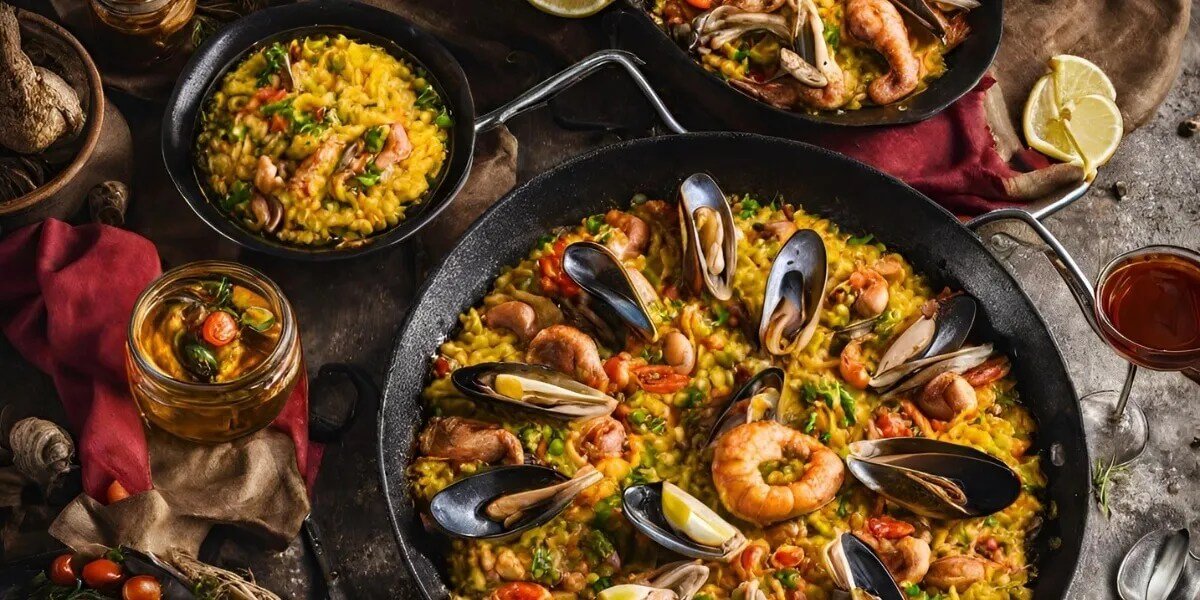
Finding truly authentic paella in Madrid can feel like searching for a desert oasis in the heart of Spain’s bustling capital. While paella is undeniably an iconic Spanish dish, its true home is Valencia, not Madrid. This distinction is crucial for anyone hoping to experience the real deal. Forget the tourist traps with brightly colored paella overflowing from pans outside—those are almost certainly "arroz con cosas" (rice with things) reheated and lacking the soul of a properly cooked paella. Instead, we'll guide you on where to eat authentic paella in Madrid, uncovering the city's hidden gems that honor this beloved culinary tradition.
At a Glance: Your Paella Quest in Madrid
- Lunch Only: Paella is a heavy, social lunch dish in Spain; never order it for dinner.
- Look for "Arroz": Menus often list it as "arroz" (rice) rather than "paella," which refers to the pan.
- Patience is Key: Authentic paella is cooked to order and takes at least 30 minutes.
- Minimum Two People: Quality paella spots usually require a minimum order for two of the same type.
- Embrace the Socarrat: The crispy, caramelized bottom layer is the hallmark of a perfectly cooked paella.
- Beyond Seafood: True Valencian paella contains chicken, rabbit, and beans, not seafood.
Madrid's Paella Paradox: Why Authenticity is Hard-Won
Madrid, a culinary melting pot due to its history as a planned capital attracting people from across Spain, offers an incredible array of regional dishes. You'll find everything from Asturian fabada to Andalusian fried fish. However, paella's origins are deeply rooted in Valencia, specifically in the Albufera lagoon area, where farmers and shepherds created this dish using local ingredients like rabbit, chicken, and fresh vegetables.
This means that a truly authentic Valencian paella—with its specific ingredients and a thin layer of rice cooked perfectly in a flat, round paella pan—is a specialty, not a given, in Madrid. Many establishments cater to tourist expectations by serving what they call "paella," but these are often thick, uninspired rice dishes, sometimes even pre-made and reheated. To find a truly flavorful meal, you need to know what to look for and, crucially, what to avoid.
Decoding Real Paella: More Than Just Rice
Before we dive into specific recommendations for where to eat authentic paella in Madrid, let's establish what makes a paella truly authentic. Understanding these nuances will arm you with the knowledge to discern quality.
The Hallmarks of a Genuine Paella
- The Pan: "Paella" is actually the name of the pan—a wide, shallow, round vessel designed for maximum evaporation and even cooking. The rice should be spread thinly, typically only a couple of grains deep, to achieve the desired texture and crispy bottom.
- Lunch Exclusivity: In Spain, paella is a substantial meal, exclusively consumed at lunchtime. Ordering paella for dinner is a dead giveaway that you're likely in a tourist-focused establishment that prioritizes convenience over tradition.
- Cooked to Order (and a Wait): A proper paella cannot be rushed. It requires precise timing and fresh ingredients, taking at least 30 minutes to prepare from scratch. If a restaurant offers paella instantly, it's a red flag.
- The Socarrat: This is the crispy, caramelized crust of rice that forms at the very bottom of the pan. It's not burnt, but rather a layer of intensely flavorful, slightly chewy, and toasted rice that connoisseurs eagerly scrape up. No socarrat means no authentic paella experience.
- Minimum Order: Due to the preparation involved, most authentic paella restaurants require a minimum order for two people (of the same type of paella). A restaurant offering "paella for one" is often cutting corners.
Common Paella Varieties You'll Encounter
While true Valencian paella has a strict ingredient list, other delicious rice dishes (often called "arroces" on menus) are widely enjoyed and prepared with similar care.
- Paella Valenciana: The original. Expect a rich broth-cooked rice dish featuring chicken, rabbit, garrafó beans (large flat white beans), green beans, and sometimes snails. No seafood. This is the benchmark for authenticity.
- Paella de Mariscos (Seafood Paella): Perhaps the most globally recognized, this version incorporates a variety of fresh seafood like mussels, shrimp (often shell-on), squid, and sometimes white fish. While popular, it's not the original Valencian recipe.
- Arroz Negro (Black Rice): A striking dish, its dark color comes from squid ink, which also imparts a deep, savory, umami flavor. It typically includes peeled prawns and squid.
- Paella Mixta (Mixed Paella): A combination of land and sea, featuring ingredients like chicken, mussels, prawns, and various vegetables. Often found in more generalized Spanish restaurants.
- Arroz del Senyoret (Gentleman's Rice): Also known as Arroz a banda, this seafood paella is prepared with all the seafood (shrimp, squid, mussels, white fish) already peeled and de-shelled, making it easier to eat – a "gentleman's" convenience.
For a deeper dive into the broader world of Spanish cuisine, including the nuances of authentic tapas and traditional dishes, be sure to explore our guide on Master Spanish Tapas & Cuisine. Understanding these foundations will only enhance your appreciation for specialized dishes like paella.
Navigating Madrid's Paella Landscape: Expert Picks
Finding a great paella in Madrid requires knowing where to look beyond the obvious. The best spots are often called "arrocerías," specializing in rice dishes. They prioritize fresh ingredients, proper cooking techniques, and the traditional approach.
Here are our top recommendations for where to eat authentic paella in Madrid, categorized by location:
In the City Center: Accessible Excellence
- Arroceria D’stapa Madrid
- Vibe: Modern and vibrant, popular for its central location near Plaza Mayor.
- Why it's great: Known for its high-quality rice dishes, especially the arroz al senyoret (gentleman's rice with peeled seafood), which showcases their commitment to fresh ingredients and expert cooking. They understand the art of the socarrat.
- Tip: Reservations are highly recommended, especially for lunch.
- La Barraca
- Vibe: A traditional institution near Gran Vía, with a classic Spanish decor that transports you to a bygone era.
- Why it's great: One of Madrid's most established paella restaurants, La Barraca has been serving authentic Valencian recipes for decades. They offer a range of traditional thin paellas, including arroz caldoso (brothy rice) and fideuà (a noodle-based paella).
- Tip: A reliable choice for first-timers seeking a traditional experience. They're meticulous about preparation.
- Socarrat
- Vibe: A newer, popular chain with a contemporary feel, appealing to a younger crowd.
- Why it's great: Socarrat has quickly gained a reputation for serving authentic Valencian paellas. Crucially, they serve paella for lunch only (12:00-4:00 pm) and are popular for takeout and individual portions—a rarity for good paella, but they manage to maintain quality. They have multiple locations, making them convenient.
- Tip: A great option if you're looking for a quality individual portion or need a reliable takeaway option.
- Las Cuevas del Duque
- Vibe: A charming, traditional restaurant with a cozy, cave-like interior that adds to the atmosphere. Limited seating.
- Why it's great: This spot offers a range of well-executed paellas, including mixta, paella de mariscos, and arroz negro. Their commitment to traditional cooking methods shines through in the flavor and texture of their rice.
- Tip: Definitely make a reservation, especially if dining with a group, due to its intimate size.
- La Paella de la Reina
- Vibe: Bright, airy, and conveniently located near Gran Vía.
- Why it's great: Living up to its name, this restaurant specializes in rice dishes, boasting over 15 different varieties. They pride themselves on offering authentic Valencian paella, alongside other popular rice dishes, ensuring a fresh, made-to-order experience.
- Tip: Excellent for those who want a wide selection of rice dishes to choose from.
- Arrocería Casa de Valencia
- Vibe: A long-standing, traditional establishment that feels like a slice of Valencia in Madrid.
- Why it's great: They dedicate themselves to sourcing ingredients directly from Valencia, guaranteeing an authentic taste. Their specialties truly shine at lunch, focusing on traditional Valencian paella recipes.
- Tip: If you want the most "Valencian" paella experience possible without leaving Madrid, this is a strong contender.
Outside the City Center: Local Favorites & Upscale Experiences
- PaellaMar
- Vibe: Informal, lively, often found within popular food markets like Mercado Tirso de Molina.
- Why it's great: PaellaMar offers individual portions of freshly cooked paella from large pans, making it an excellent choice for a quick, high-quality paella fix during lunch. It's a more casual, street-food-style approach to quality paella.
- Tip: Perfect for a solo diner or if you want to sample paella alongside other market treats.
- Los Arroces de Segis
- Vibe: Unique, with a castle-like decor that makes for a memorable dining experience. Located further north near Plaza Castilla.
- Why it's great: This restaurant takes paella seriously, cooking their rice dishes over open fires fueled by grapevines, imparting a distinctive smoky flavor. They offer an array of starters that complement the main event.
- Tip: A destination restaurant for paella lovers, offering a truly special preparation method. Plan for a more leisurely, multi-course meal.
- Restaurante Samm
- Vibe: Upscale and refined, located in the Chamartín district. Reservations are essential.
- Why it's great: Samm is renowned for consistently achieving the perfect socarrat in its paellas. It's an institution for Madrid's discerning locals seeking an exceptional paella. Like all authentic places, it's lunch-only.
- Tip: If you're looking for a premium paella experience with impeccable service and a guarantee of that coveted crispy bottom, Samm is the place.
Your Paella Playbook: Ordering Like a Local
Now that you know where to go, here’s how to navigate the ordering process for an authentic paella experience:
- Timing is Everything: Lunch, Not Dinner.
- Aim for the Spanish lunch hours, typically between 1:30 PM and 4:00 PM. Many restaurants will stop serving paella after this window, or will only offer inferior, pre-cooked versions later.
- Scan the Menu for "Arroz," Not Just "Paella."
- While some places might use "paella" on the menu, many traditional arrocerías will list their rice dishes under a section titled "Arroces." Don't be afraid to ask, "Tienen arroz?" (Do you have rice dishes?) or "Qué arroces tienen hoy?" (What rice dishes do you have today?).
- Embrace the Wait and the Minimum Order.
- When ordering, confirm that it's cooked to order ("¿Se hace al momento?") and be prepared for the 30-45 minute wait. This is a good sign! Also, remember that most quality spots require a minimum of two servings of the same paella type. If there are five of you, ordering four servings is often sufficient, as portions are generous.
- Don't Forget the Aioli (Garlic Mayonnaise).
- It’s a traditional and highly recommended accompaniment to many paellas, especially seafood varieties. If it’s not offered, ask for "alioli, por favor." It adds a creamy, garlicky kick that beautifully complements the rice.
- Scrape That Socarrat!
- Once your paella arrives and you've enjoyed the moist, flavorful rice, make sure to scrape the bottom of the pan to get every last bit of that crispy, caramelized socarrat. It's a sign of appreciation and a testament to the chef's skill.
- Mind the Bread Charge.
- In many traditional Spanish restaurants, a small charge (typically €1-€3 per person) may be added for bread. If you prefer not to have it, simply say "sin pan, por favor" when you are seated.
Quick Answers: Dispelling Common Paella Myths
Q: Can I get paella for dinner in Madrid?
A: While some tourist-oriented places might offer it, true paella is exclusively a heavy lunch dish in Spain. Ordering it for dinner is a strong indicator you might not be getting an authentic, freshly made version.
Q: Is seafood paella "authentic Valencian"?
A: No. The original Paella Valenciana contains rabbit, chicken, green beans, garrafó beans, and sometimes snails—no seafood. Seafood paella (Paella de Mariscos) is a delicious and widely enjoyed variation, but not the traditional Valencian recipe.
Q: What's the difference between "paella" and "arroz"?
A: Strictly speaking, "paella" refers to the pan itself, while "arroz" means rice. On Spanish menus, "arroz" is often used to refer to various rice dishes cooked in a paella pan, including what English speakers call paella.
Q: Do I need a reservation to eat paella in Madrid?
A: For the highly recommended and authentic arrocerías, especially those outside the immediate tourist hotspots or during peak lunch hours (2-3 PM), yes, reservations are strongly advised. Some smaller, traditional spots have limited seating.
Q: What should I look out for to avoid a "bad" paella?
A: Avoid restaurants with large, colorful pictures of paella displayed prominently outside, especially if they offer it for dinner or for single servings cooked instantly. These are almost always reheated, pre-made versions lacking the true flavors and textures.
Your Next Flavorful Meal Awaits
Finding authentic paella in Madrid is an adventure in itself, a culinary treasure hunt that rewards those who know what to look for. By understanding the origins, the types, and the tell-tale signs of a well-made dish, you can confidently navigate Madrid’s vibrant dining scene. Whether you opt for a bustling city-center arrocería or venture out to a renowned local favorite, the joy of scraping up that perfect socarrat is an unforgettable part of the Spanish experience. Use these insights to seek out your truly flavorful meal, one spoonful of perfectly cooked rice at a time.